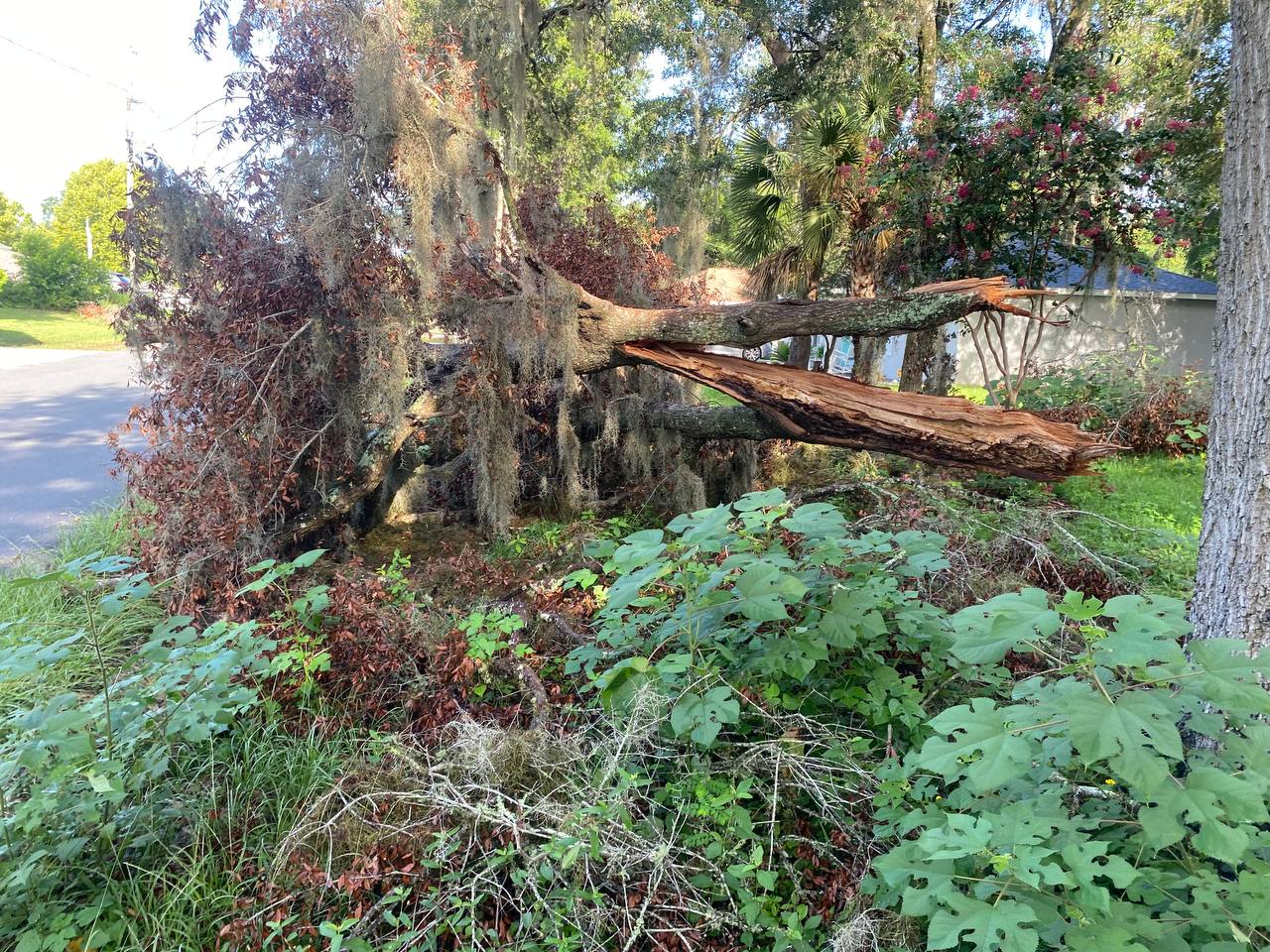
Florida's hurricane season runs from June 1st through November 30th, with peak activity in August and September. The time to prepare your trees is before a storm is in the forecast. Here's how to protect your property and minimize storm damage.
Why Tree Preparation Matters
During hurricanes, trees become one of the biggest threats to your home. Falling trees and large branches cause billions of dollars in property damage each year in Florida. Proper tree maintenance can significantly reduce this risk while keeping your valuable trees healthy.
Step 1: Schedule a Professional Tree Assessment
The first step in hurricane preparation is knowing what you're dealing with. A certified arborist can assess your trees and identify:
- Dead or dying branches that could fall
- Trees with structural weaknesses
- Root problems that could cause trees to uproot
- Trees that are too close to structures or power lines
- Species that are particularly vulnerable to wind damage
Step 2: Prune for Wind Resistance
Proper pruning helps trees withstand high winds better. The goal is to allow wind to pass through the canopy rather than catching it like a sail. Key pruning strategies include:
- Crown thinning: Removing select interior branches to reduce wind resistance
- Raising the canopy: Removing lower branches that could break and damage property
- Removing dead wood: Dead branches are the first to break off in a storm
- Reducing end weight: Shortening long, heavy branches that could snap
Important: Don't over-prune! Removing too many branches (called "lion-tailing") actually makes trees more vulnerable to wind damage, not less.
Step 3: Address Hazardous Trees
Some trees pose too great a risk and should be removed before hurricane season:
- Trees already showing significant decline or disease
- Trees with large cavities or trunk damage
- Trees that have been previously "topped" (improper pruning)
- Trees that would fall directly onto your home
- Trees with root damage from construction
Step 4: Consider Tree Species
Some tree species perform better in hurricanes than others. Trees with good wind resistance include:
- Live Oak (when properly maintained)
- Sabal Palm (Florida's state tree)
- Southern Magnolia
- Bald Cypress
- Crape Myrtle
Trees more prone to storm damage include:
- Water Oak (shallow root system)
- Laurel Oak (often develops decay)
- Pine trees (especially if root-damaged)
- Bradford Pear (weak branch structure)
- Queen Palm (shallow roots)
Step 5: Cable and Brace When Appropriate
For valuable trees with structural weaknesses, cable and bracing systems can provide additional support. These systems use high-strength cables to reduce stress on weak branch unions and prevent splitting during high winds.
When to Start Preparing
Don't Wait Until a Storm is Coming!
Once a hurricane is in the forecast, tree services are flooded with calls and may not be able to help. Start your hurricane prep in late spring (April-May) before the season begins. This gives you time to properly assess and address any issues.
After the Storm
If your trees sustain storm damage, safety comes first:
- Stay away from downed trees and branches
- Never attempt to remove trees touching power lines
- Document damage for insurance purposes
- Call a professional for safe removal and cleanup
At Tree Service Legends, we offer 24/7 emergency storm response throughout Central Florida.
Schedule Your Hurricane Prep
Don't wait until it's too late. Contact us today to schedule a professional tree assessment and hurricane preparation service.
Learn About Hurricane Prep